
Melasma Treatment in Delhi — Kiara Lifestyle Clinic
Melasma is one of the most stubborn and frustrating pigmentation conditions to deal with — appearing as brown or greyish patches that often resist regular skincare and worsen with sun exposure. At Kiara Lifestyle Clinic, Dr. Kriti Jain (MBBS, MD Dermatology) offers specialised melasma treatment designed to fade existing patches, prevent further darkening, and manage this condition for the long term.
Whether your melasma developed during pregnancy, started after birth control use, or appeared without any clear trigger, our clinic provides a personalised, medically guided treatment plan rather than generic brightening creams that rarely work on their own.
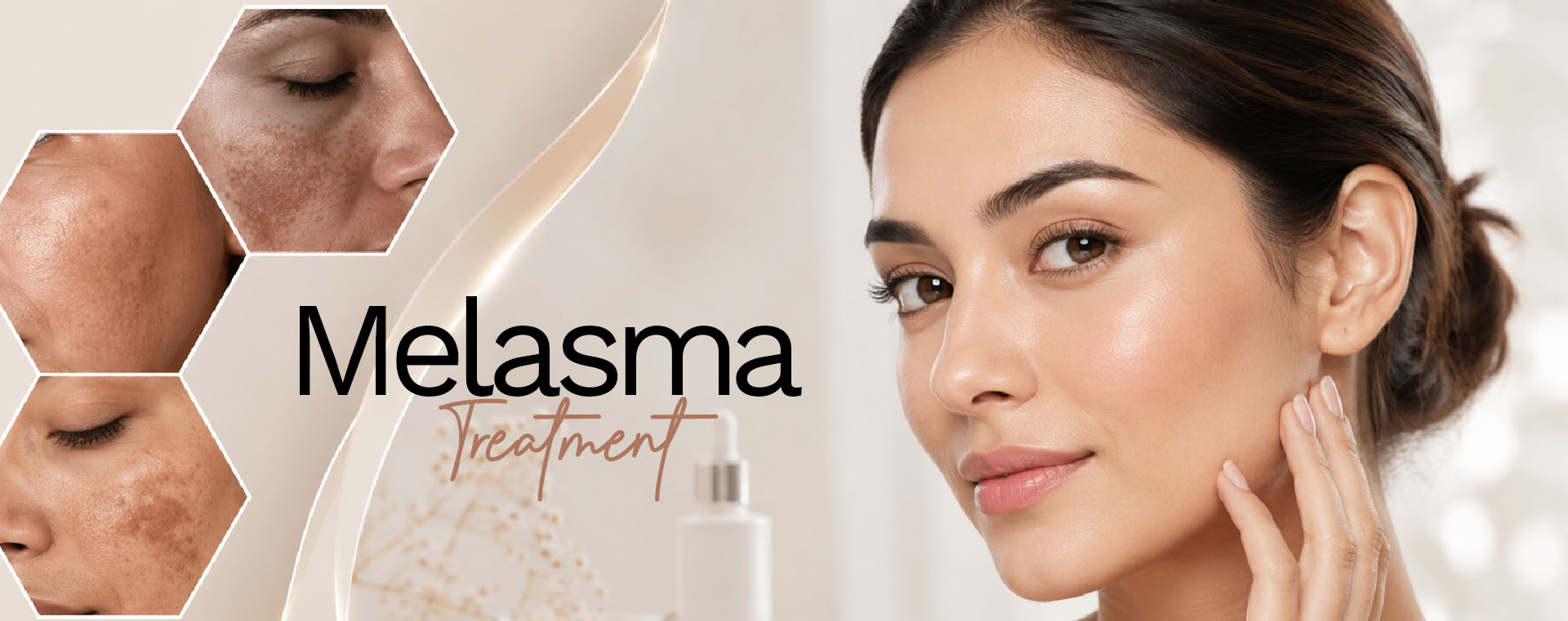
What Causes Melasma — Understanding This Complex Condition
Melasma is different from regular pigmentation because it is deeply influenced by hormones and requires a more careful, sustained treatment approach. Before recommending any melasma treatment, Dr. Kriti Jain identifies your specific triggers.
- Hormonal Changes — Pregnancy, birth control pills, and hormone replacement therapy are among the most common melasma triggers.
- Sun Exposure — UV rays significantly worsen melasma, which is why sun protection is central to every treatment plan we create.
- Genetics — A family history of melasma increases your likelihood of developing the condition, especially in those with darker skin tones.
- Thyroid Disorders — Certain thyroid conditions have been linked to the onset or worsening of melasma in some patients.
- Heat Exposure — Beyond UV light, visible light and heat from cooking, saunas, or hot climates can also trigger melasma flare-ups.
- Skincare or Cosmetic Irritation — Harsh products or treatments can sometimes worsen melasma by triggering inflammation in already sensitive skin.
Because melasma is driven by multiple internal and external factors, treating it effectively requires addressing all contributing triggers together.
Types of Melasma We Treat at Kiara Lifestyle Clinic
Melasma can appear in different patterns and at different depths within the skin, which directly affects how it responds to treatment.
- Epidermal Melasma — Pigmentation located in the upper skin layers, generally more responsive to topical treatment and peels.
- Dermal Melasma — Deeper pigmentation that is more resistant to treatment and often requires a longer, combination-based approach.
- Mixed Melasma — A combination of both epidermal and dermal pigmentation, requiring a carefully balanced multi-modal treatment plan.
- Centrofacial Pattern — Melasma appearing across the forehead, nose, upper lip, and chin, the most common presentation.
- Malar Pattern — Pigmentation localised to the cheeks and nose, often seen in early-stage melasma.
- Mandibular Pattern — Pigmentation along the jawline, a less common but more treatment-resistant pattern.
Our Melasma Treatment Options in Delhi
Dr. Kriti Jain combines multiple approaches simultaneously, since melasma typically does not respond well to a single treatment alone.
- Tranexamic Acid Therapy — Available as oral medication or topical application, this is one of the most effective treatments specifically for melasma.
- Chemical Peels — Gentle, melasma-safe peels like mandelic acid help fade pigmentation without triggering inflammation that could worsen the condition.
- Q-Switch and Picosecond Lasers — Carefully calibrated laser settings break down melanin deposits while minimising the risk of rebound pigmentation.
- Medical-Grade Skincare — Prescription-strength brightening agents, including hydroquinone and azelaic acid, used under close medical supervision.
- Microneedling — Enhances penetration of brightening actives and supports overall skin barrier health alongside other melasma treatments.
- Strict Sun Protection Protocol — A customised broad-spectrum SPF routine, since even minimal sun exposure can undo months of treatment progress.
How Melasma Treatment Works at Kiara Lifestyle Clinic
- Detailed Skin & History Assessment — Dr. Kriti Jain examines your pigmentation pattern and reviews hormonal history, medication use, and sun exposure habits.
- Identifying All Contributing Triggers — We assess hormonal, genetic, and environmental factors together, since melasma rarely has just one single cause.
- Personalised, Multi-Modal Treatment Plan — A careful combination of oral therapy, topical treatment, and procedures is designed specifically for your melasma type.
- Gradual, Monitored Treatment — Sessions and product use are closely monitored, since aggressive treatment can sometimes worsen melasma if not managed carefully.
- Realistic Progress Tracking — Most patients notice gradual lightening over 2 to 3 months, as melasma improves slowly compared to other pigmentation types.
- Long-Term Maintenance Plan — Since melasma has a strong tendency to recur, we provide an ongoing maintenance and sun protection plan after initial improvement.
“Melasma is one of the most misunderstood skin conditions because it doesn’t respond like typical pigmentation. At Kiara Lifestyle Clinic, we treat it with the patience and precision it requires — managing it as the chronic, hormone-driven condition it truly is, rather than expecting a quick fix.” — Dr. Kriti Jain, MBBS, MD Dermatology
Is Melasma Treatment Right for You?
Book a consultation if you have: brown or greyish patches on your face that have appeared gradually, pigmentation that worsened during or after pregnancy, melasma that returns despite using over-the-counter brightening creams, patches that darken noticeably with sun exposure, or pigmentation affecting your confidence in daily life.
Avoid self-treatment if you are: using strong bleaching creams without medical supervision, undergoing aggressive peels or lasers without melasma-specific protocols, skipping daily sunscreen while trying to treat your pigmentation, or expecting melasma to resolve quickly without a sustained, long-term approach.
Frequently Asked Questions — Melasma Treatment
Q1. Can melasma be completely cured?
A: Melasma is considered a chronic condition that can be significantly lightened and well-managed with the right treatment, though it often requires ongoing maintenance due to its hormonal nature.
Q2. Why is melasma so much harder to treat than other pigmentation?
A: Melasma is deeply influenced by hormones and can affect deeper skin layers, making it more resistant to standard pigmentation treatments and more prone to recurrence.
Q3. Will melasma go away after pregnancy or stopping birth control?
A: In some cases, melasma fades naturally once hormone levels stabilise, but many patients still require active treatment to fully clear residual pigmentation.
Q4. Is laser treatment safe for melasma?
A: Yes, when performed with melasma-specific settings by an experienced dermatologist. Incorrect laser parameters can worsen melasma, which is why expert assessment is essential.
Q5. How important is sunscreen for melasma treatment?
A: Extremely important. Sun exposure is one of the strongest triggers for melasma, and skipping sunscreen can undo months of treatment progress within days.
Q6. What is the cost of melasma treatment at Kiara Lifestyle Clinic?
A: Cost depends on melasma severity, treatment combination, and duration required. We provide a complete, transparent cost breakdown during your consultation.
Book Your Free Melasma Treatment Consultation Today
Melasma deserves patient, expert care — not quick fixes that often backfire. Dr. Kriti Jain (MBBS, MD Dermatology) and the team at Kiara Lifestyle Clinic combine medical expertise with realistic, long-term planning to help you manage melasma effectively. We offer free initial consultations so you understand your melasma type and treatment options clearly before committing to any procedure. Our clinic is conveniently located in Delhi and welcomes both walk-in and pre-booked appointments. Reach us via phone, WhatsApp, or our online contact form. Explore our related services: pigmentation treatment, fungal and medical skin care, scar revision, and acne treatment.