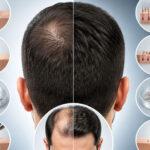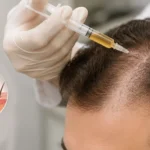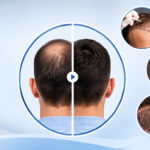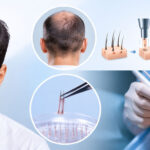
You may notice small hair thinning patches in the mirror once you cross the 30 years old tag or even experience baldness. Hair loss is common among men, and adjusting to the recession, thinning, patchiness, and (at some point) the permanent shaved hairstyle can be a quick escape but not worth it.Getting a Body hair transplant may also be something you’ve thought about. They’re expensive, right? What are the procedures? Do they look natural? Are they painful? Will they leave scars? Furthermore, why all the fuss about them in Turkey?
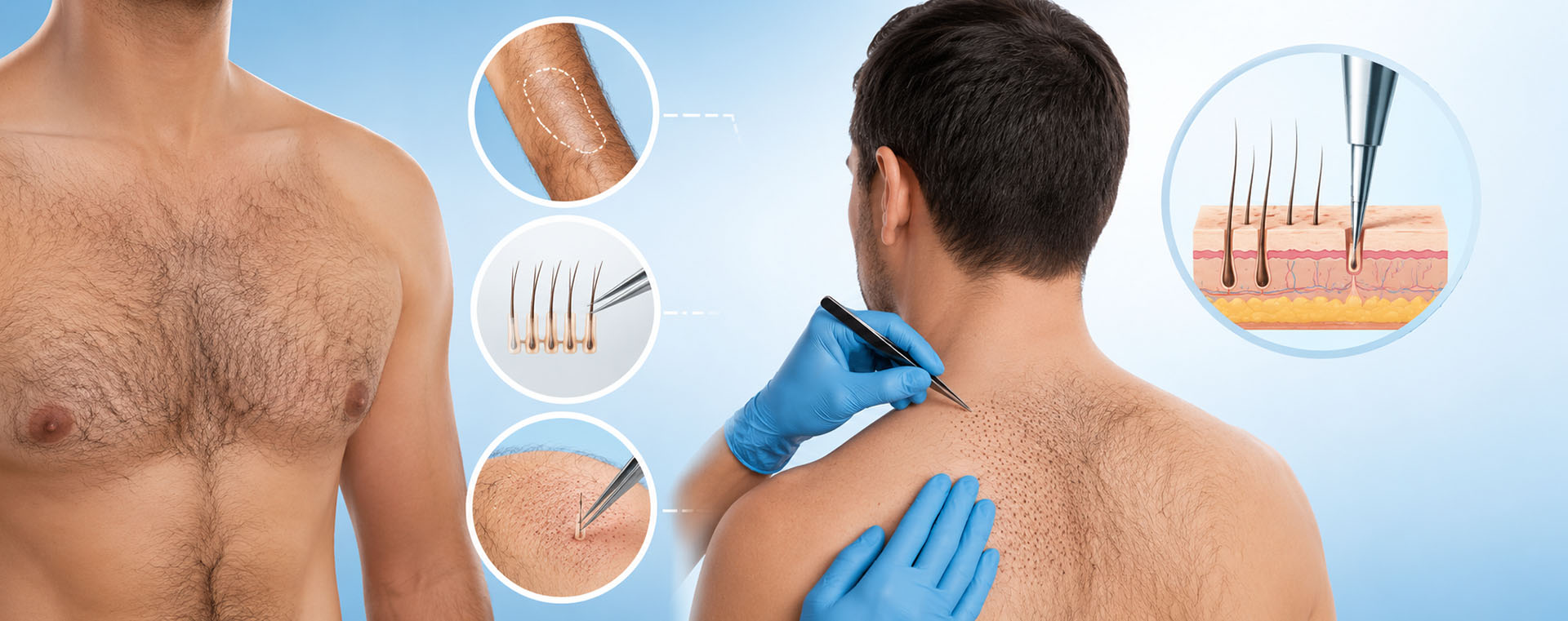
Keep reading to get a detailed understanding of Body Hair transplant.
Following Things To Know About Body Hair Transplant:
Health Of The Candidates Going For Body Hair Transplant
Two things are important to diagnose the cause and severity of a guy’s particular hair loss condition: the type of hair loss experienced and measuring its pattern. Before sitting for the surgery, you must get your blood work done. Complete blood profile detail helps determine any underlying medical issues that could complicate your surgery.
It’s highly recommended to stop using tropical hair products as it slows down the blood circulation in the scalp. Similarly, refrain from smoking, as the nicotine constricts blood vessels and blocks proper blood circulation.
Another important thing to consider is whether the person is dealing with Alopecia areata. If yes, then there’s no point in doing a hair transplant. Because even the transplanted hair can be attacked by this problem and begin shedding, the whole transplant process is pointless.
While hair transplantation is a minimally invasive procedure, there is always a risk involved, so the patient must be in good health. It is important to note that medical factors can vary from person to person and determine a candidate’s suitability. This issue will be discussed at your initial consultation.
Choosing the Best Transplant Procedure
There are two main types of hair transplants: Follicular unit extraction (FUE) and direct hair implantation (DHI). According to experts, DHI transplants include these two final steps in one, while FUE transplants do not. Despite similarities, they differ in the stage where the incision and actual transplant are performed.
Compared to other hair transplant methods, the DHI method uses a pen-like medical instrument called the Choi implanter, which simultaneously creates the recipient sites [where the hair is implanted] and transplants the hair grafts. The FUE method entails creating the recipient sites and transplanting the donor’s hair.
What Does The Doctor Consider While Drawing The Hairline?
During a consultation, your surgeon will assess original hair growth spots. They’ll evaluate the starting point of your hairline. Your hair will start to grow here after the transplant, at the lowest point of your upper forehead. Hair transplant surgeons cannot transplant the forehead muscles directly. Hence they first determine precisely where the forehead muscles are located.
You can do it by looking at your face when you lift your eyebrows, which reveals your forehead folds and muscles-which end at that point. It does not necessarily mean that your hair should begin growing here. It may be different for each individual.
Post The Hair Transplant Surgery
Post-surgery, your head will be tender and vulnerable. You’ll be prescribed pain medications and other wound healing anti-inflammatory or antibiotics. Till then, avoid rigorous walking or involving in any physical activity.
Conclusion
Body hair transplantation is generally used when the head donor area cannot be harvested. Therefore, it has led to the possibility of hair transplants from the body, in which follicular units are taken from various body parts, such as the chest, mid-section, legs, or arms, and transplanted on the scalp.
Post Care And Follow-Ups:
All you need to call Kiara Clinic at +91 8010790790 / +91 9015 111 222
Or mail us at our email – kiaralifestyleclinic@gmail.com
Or Mail Us At Our Email – Kiaralifestyleclinic@Gmail.Com